
Our sponsors:

World Modeling Workshop
Date: 4-6 February 2026
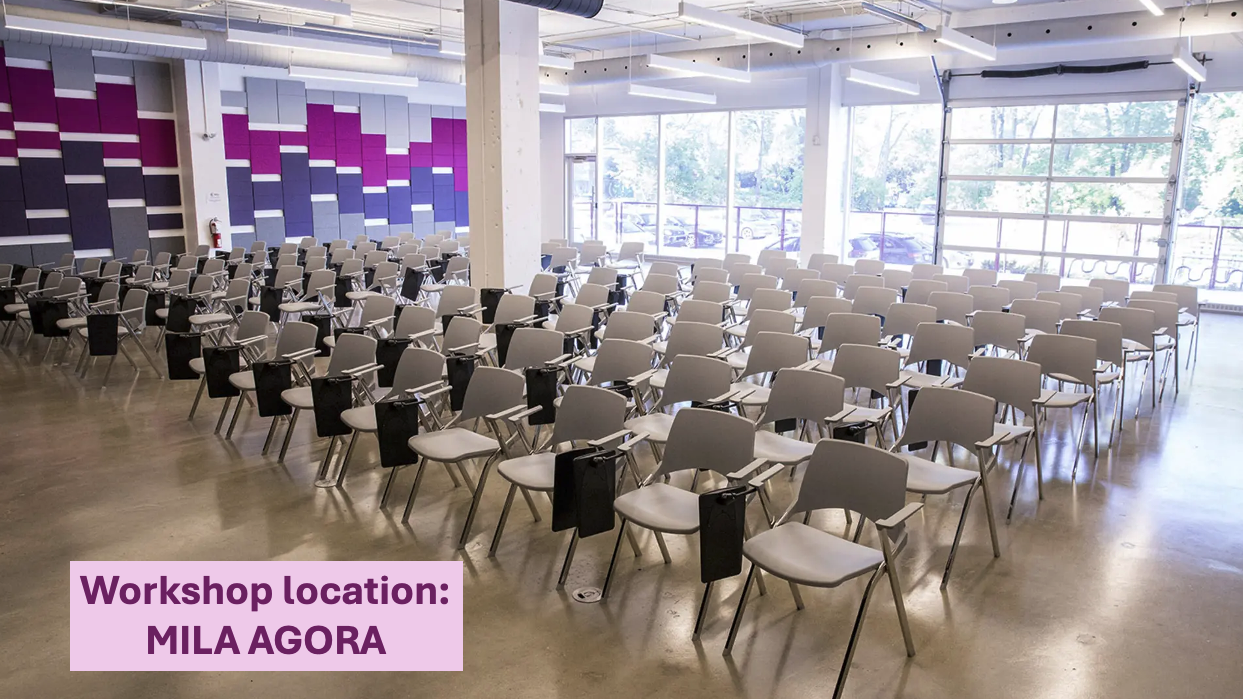
Location: Agora, Mila - Quebec AI Institute, 6666 Rue Saint-Urbain, Montréal, Canada
Online: Public webinar (freely available to all) (link TBA)
A fundamental desideratum of AI agents is the ability to model environment dynamics and transitions in response to both their own actions and external control signals. This capability, commonly referred to as world modeling (WM), is essential for prediction, planning, and generalization. Learning world models using deep learning has been an active area of research for nearly a decade. In recent years, the field has witnessed significant breakthroughs driven by advances in deep neural architectures and scalable learning paradigms. Multiple subfields, including self-supervised learning (SSL), generative modeling, reinforcement learning (RL), robotics, and large language models (LLMs), have tackled aspects of world modeling, often with different tools and methodologies. While these communities address overlapping challenges, they frequently operate in isolation. As a result, insights and progress in one area may go unnoticed in another, limiting opportunities for synthesis and collaboration. This workshop aims to bridge this gap between subfields of world modeling by fostering open dialogue, critical discussion, and cross-disciplinary exchange. By bringing together researchers from diverse backgrounds, from early-career researchers to established experts, we hope to establish a shared vocabulary, identify common challenges, and surface synergies that can move the field of world modeling forward.
Apply to Attend
World Modeling Workshop
We are excited to welcome you to our workshop, whether you are a student, post-doc, professor, or industry professional!
We especially encourage you to share your research by submitting an extended abstract (see Call for Papers). Whether already published or not, consider submitting your work!
Applications with abstract submissions receive priority for registration. Once accepted, you'll receive all the registration details via email. Submit your application here and be part of this unique opportunity.
UPDATE: Registration is closed.
Don't miss the in-person experience! We are hoping to see many of you in-person to learn about your research and to brainstorm as a community!
Student/Post-doc registration fee: 180 CAD
Non-Student/Industry registration fee: 280 CAD
The registration fee includes breakfast, lunch, and coffee breaks!
Call for Papers
World Modeling Workshop
Participants interested in presenting a poster are invited to submit an extended abstract with maximum length of 4 pages, excluding references and appendix. Authors can use this opportunity to present early-stage results, insightful negative findings, opinion pieces, or novel datasets. We also welcome published works for submission. All submissions will undergo a double-blinded peer-review process. The accepted abstracts are non-archival.
Please note that at least one of the authors of each submitting paper must register as a reviewer (with the paper submission form). If you are interested in joining the program committee as a reviewer, you can also sign up here!
Please make sure to use the ICLR LaTeX template. For camera ready submissions please refer to the section below (TBA).
Topics of Interest
A non-exhaustive list of relevant topics are:- Self-supervised representations for world modeling
- Model-based RL and planning
- Generative world modeling
- Leveraging world knowledge in LLMs
- Embodied AI and Robotics
- Causality
- World models for scientific discovery
- Physical plausibility of world models
- World models and AI safety
- Datasets and benchmarks for evaluating world models
⚠️ Important Dates 📅
- Abstract submission deadline: October 25, 2025 AoE
- Paper submission deadline: November 1, 2025 AoE (Submit on OpenReview)
- Final decisions to authors: December 1, 2025
Speakers
World Modeling Workshop
Keynote
These talks offer broad perspectives on the field of world modeling. They reflect on long-term directions, emerging opportunities, and the potential of world models for advancing AI research over the coming decade.
Methods Deep Dive
These talks are in-depth examinations of state-of-the-art methods for world modeling. They focus on the subtle algorithmic choices and practical implementation details that critically influence the quality of world models.
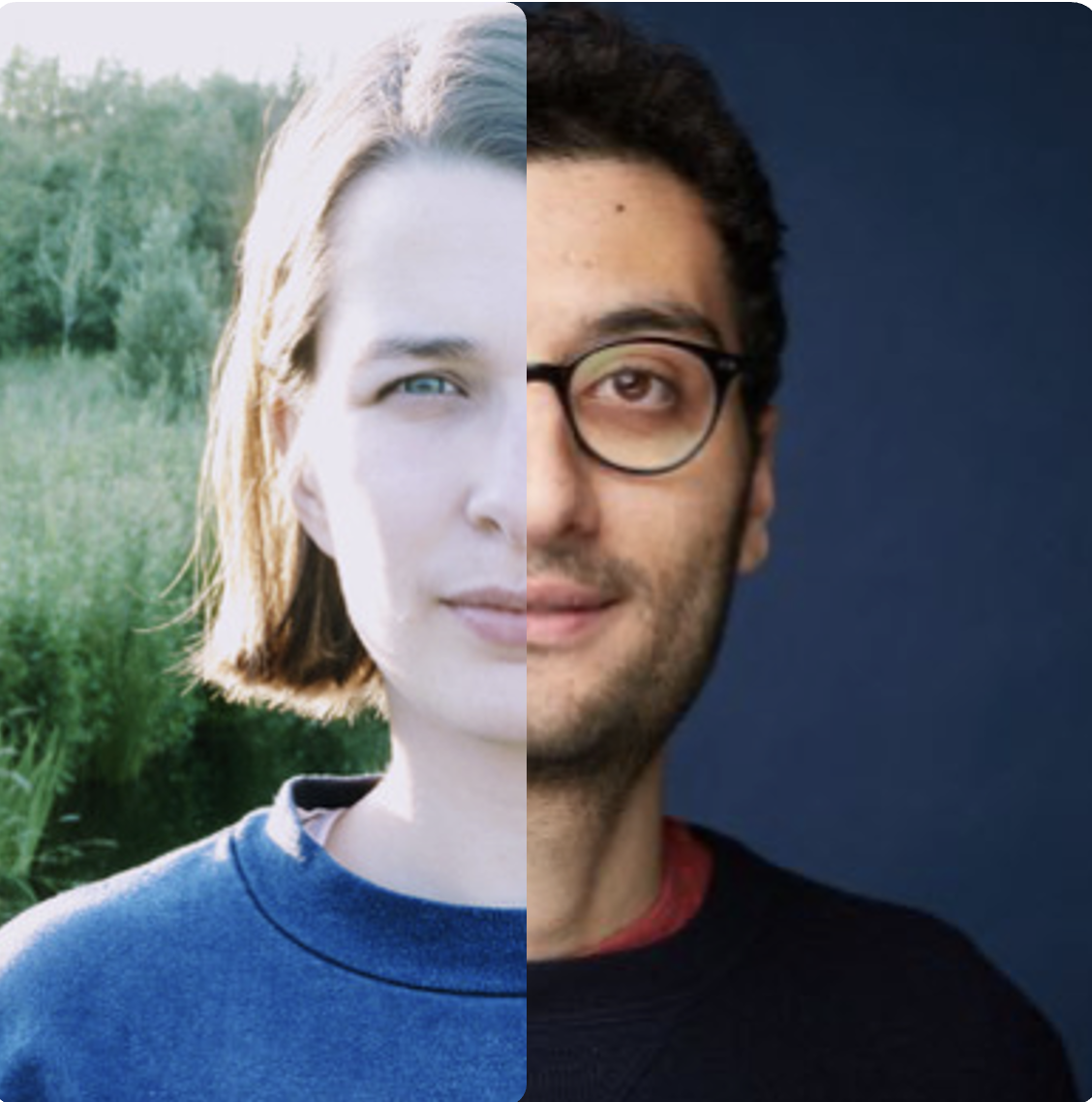
Karen Ullrich & Mark Ibrahim (Meta)
Tutorials
These tutorials are hands-on sessions that provide background on core topics and ingredients of world modeling, offer practical design choices, and guide participants through implementation.
Schedule (times in EST)
World Modeling Workshop
Day 1
Wednesday, 04-02-2026| 8:00 | Registration and Breakfast |
| 8:50 | Opening Remarks |
| 9:00 |
Keynote 1 (Remote): Jürgen Schmidhuber
Title: TBA
|
| 10:00 |
Keynote 2: Sherry Yang
Title: From pretraining world models to policy improvement
|
| 11:00 | Coffee Break |
| 11:15 |
Keynote 3: Shirley Ho
Title: Polymathic AI: A path towards scientific discovery
|
| 12:15 | Lunch Break |
| 13:20 | Group Photo |
| 13:30 |
Keynote 4: Yoshua Bengio
Title: Bayesian modeling of causal structure for AI safety
|
| 14:30 |
Keynote 5: Yann LeCun
Title: TBA
|
| 15:30 | Coffee Break |
| 15:40 |
Panel Discussion
Panelists: Yoshua Bengio, Yann LeCun, Sherry Yang, Shirley Ho, Alessandro Lazaric
Moderator: Randall Balestriero |
| 16:40 | Methods Deep Dive 1: Mido Assran |
| 17:25 | Poster Session 1 and Networking |
Day 2
Thursday, 05-02-2026| 8:30 | Breakfast |
| 9:00 |
Keynote 6: Amir Zadeh
Title: World Modeling: Infrastructure and Vision at Lambda
|
| 10:00 | Methods Deep Dive 2: Stephen Spencer |
| 10:45 | Coffee Break |
| 11:00 | Oral Presentations 1 (3 papers) |
| 11:45 | Methods Deep Dive 3: Bayan Bruss |
| 12:30 | Lunch Break |
| 13:45 | Methods Deep Dive 4: Florian Bordes |
| 14:30 | Oral Presentations 2 (4 papers) |
| 15:30 | Coffee Break |
| 15:45 | Methods Deep Dive 5: Zhiting Hu |
| 16:30 | Methods Deep Dive 6: Mark Ibrahim and Karen Ullrich |
| 17:15 | Poster Session 2 and Networking |
Day 3
Friday, 06-02-2026| 8:30 | Breakfast |
| 9:00 | Tutorial 1: RL (Alessandro Lazaric) |
| 11:15 | Coffee Break |
| 11:30 | Tutorial 2: SSL (Randall Balestriero) |
| 12:30 | Lunch Break |
| 13:30 | Tutorial 2 (continued) |
| 14:45 | Coffee Break |
| 15:00 | Tutorial 3: VLA (Glen Berseth) |
| 17:15 | Closing Remarks |
Practical Information
World Modeling Workshop
Stay In Touch
We encourage all participants to join our Slack channel to receive workshop announcements and connect with other attendees. We will share timely updates there, including schedule changes, room directions, and any additional practical logistics.
Slack Invitation Link: Click here to join the workspace
Transportation
> Transport from YUL (Montréal–Trudeau) Airport to Montréal Downtown
[Option 1] Uber / Taxi / Rideshare (Recommended)
Taxis and rideshare (e.g., Uber) are available directly at the airport. Follow airport signage to the official taxi stand or the rideshare pickup area. This is typically the simplest option if you have luggage or arrive late.
[Option 2] 747 Airport Bus (public transit)
The STM 747 bus connects YUL airport to downtown and metro connections. It is a reliable option during most hours of the day. Tickets are purchased at the airport (valid on buses/metro in Zone A). More info on the STM website.
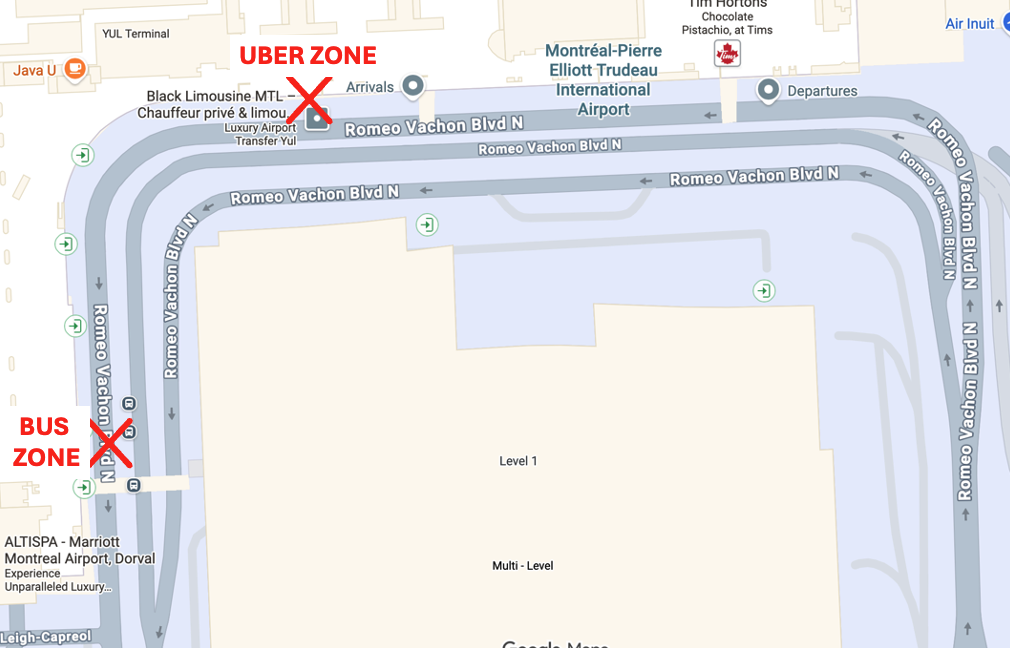
> Transport from YUL (Montréal–Trudeau) Airport to Mila (workshop venue)
Fastest and simplest
Take a taxi or rideshare from YUL directly to Mila (Québec AI Institute) 6650 Rue Saint-Urbain, Montréal, QC H2S 3H1.
Public transit route (airport → metro → Mila)
1. Take the 747 bus from YUL.
2. Get off at the stop "Berri-UQAM" (about 45 minutes from the airport).
3. Connect to the Montréal metro (station Berry-UQAM).
4. Take the Orange line direction “Montmorency” and get off at Beaubien station.
5. Walk from Beaubien station to Mila (about 10–15 minutes, depending on your pace).
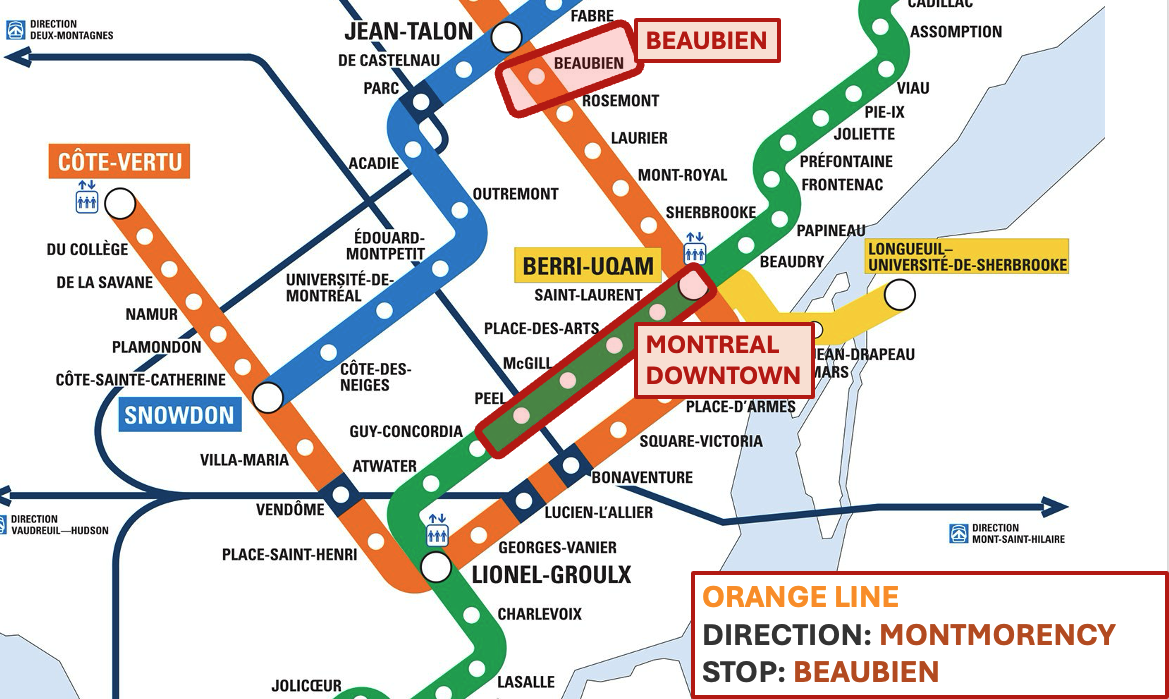
> Transport from Montréal Downtown to Mila
By metro (recommended)
1. Take the Orange line direction “Montmorency”.
2. Exit at Beaubien station.
3. Walk to Mila (Québec AI Institute) 6650 Rue Saint-Urbain, Montréal, QC H2S 3H1. (about 10–15 minutes).
Metro ticket / fare
You need a valid STM fare to enter the metro (Zone A). You can buy tickets at any metro station from the vending machines (credit/debit accepted). Common options include: Single trip (one ride), 2 trips or day pass (1-day / 24-hour). More info on the STM website
By uber/taxi
Taxis and rideshare are also convenient from downtown, especially outside peak commuting times. Take in account potential traffic delays due to rush hours or weather conditions.
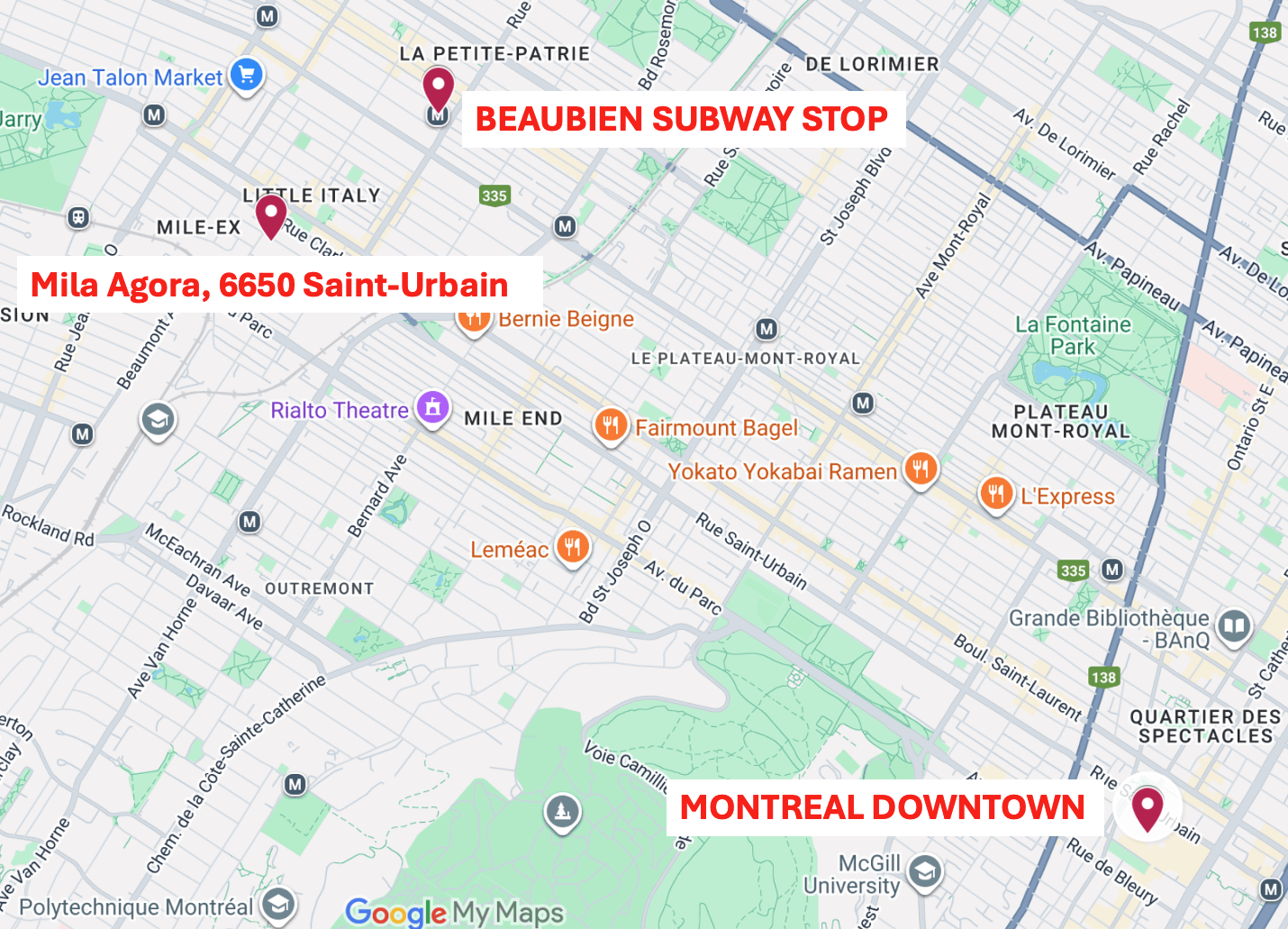
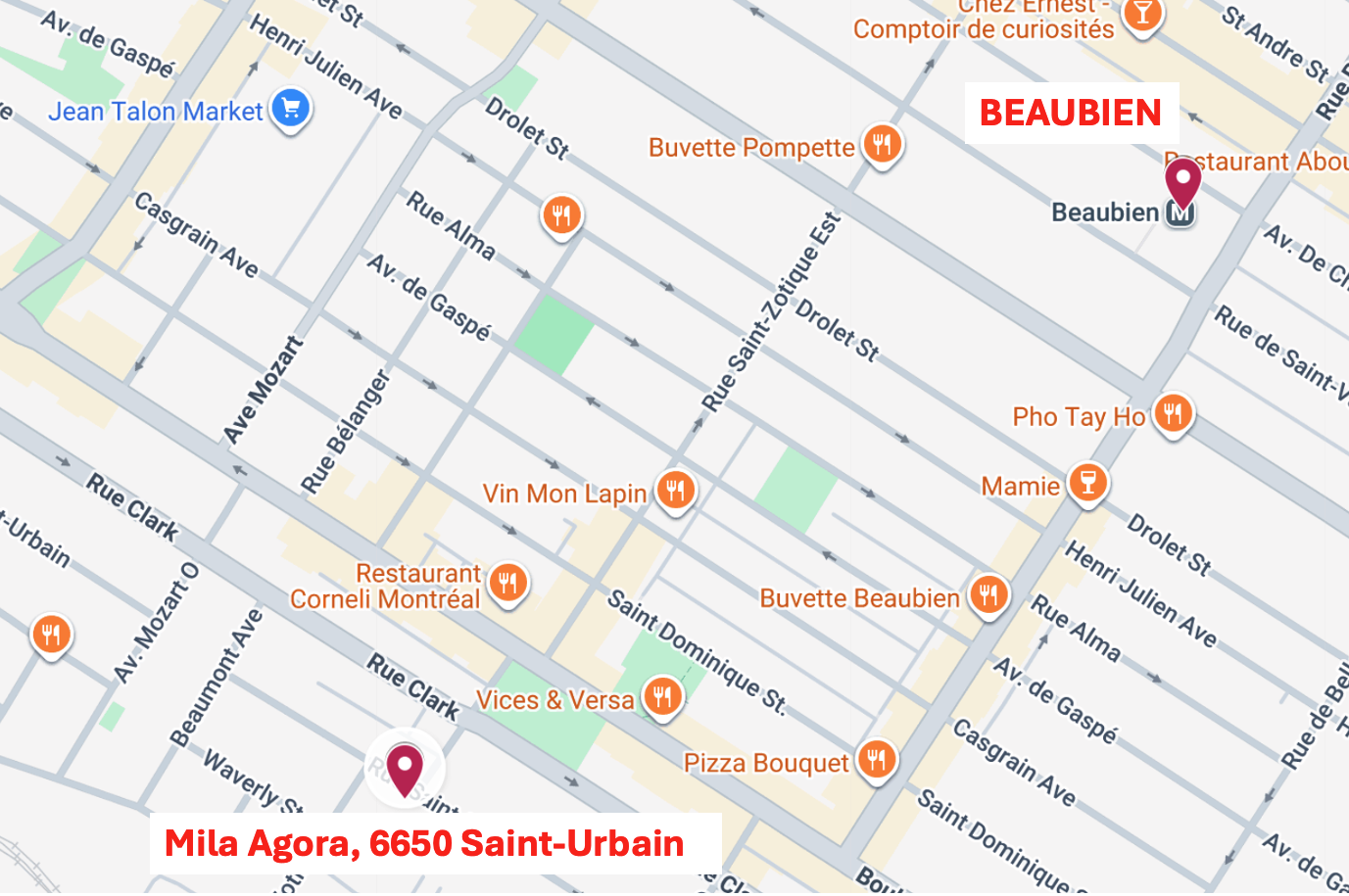
Workshop Location
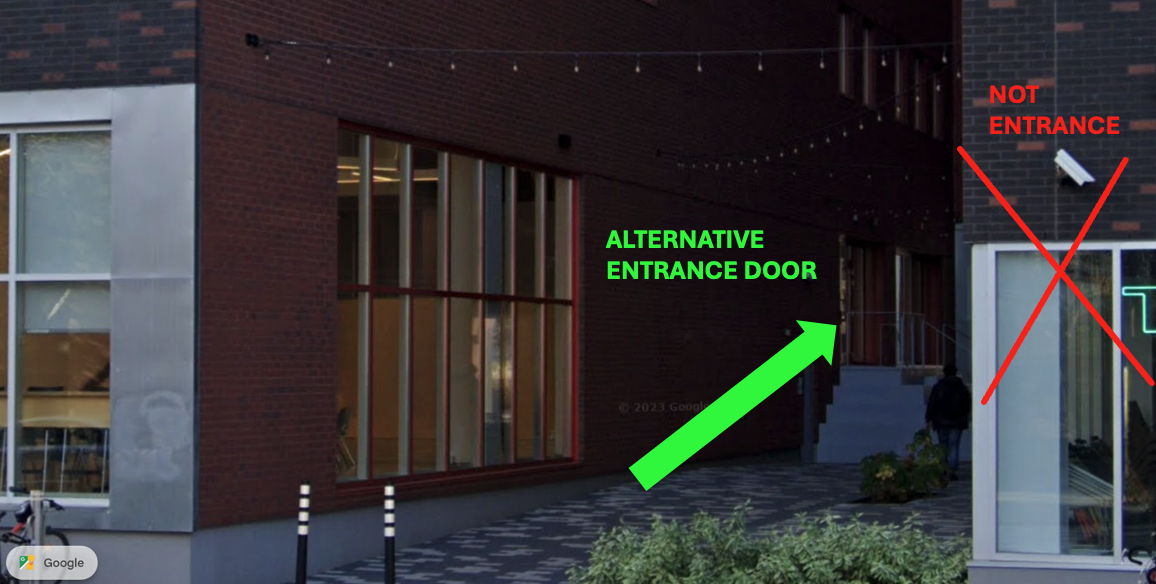
The workshop will take place in Mila - Agora (6650 Rue Saint-Urbain, Montréal, QC H2S 3H1). After entering the building, follow the internal signage to “Agora”. Event staff will also be present near the entrance during peak arrival times to help direct participants.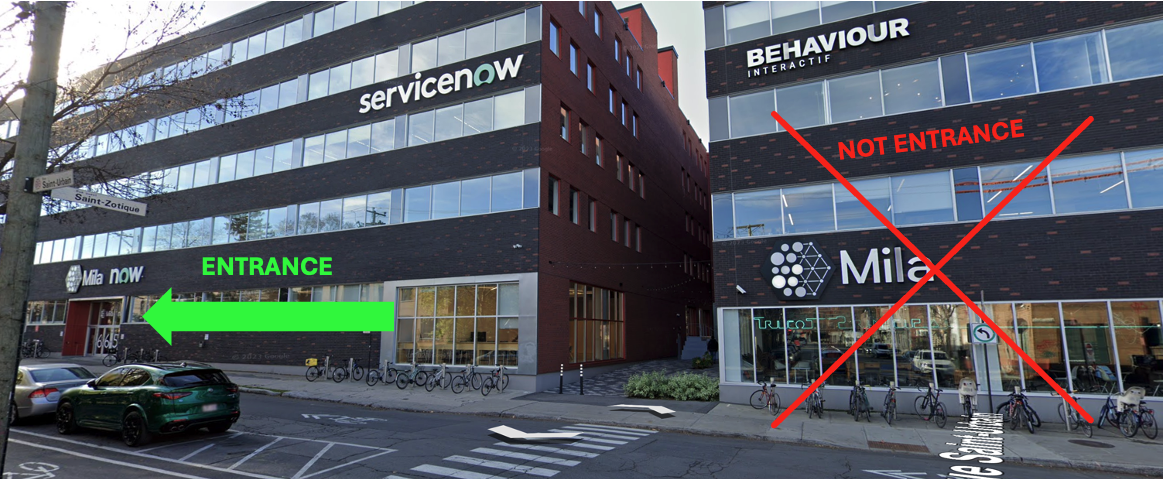
Hotel Recommendation
Please note: unfortunately, we do not have any preferential rate, discount code, or reserved room block with hotels. We recommend booking as soon as possible, as availability may vary.
Recommended hotels (downtown area):
- - Fairmont The Queen Elizabeth
- - Montreal Marriott Château Champlain
- - Le Centre Sheraton Montréal
- - Hotel Bonaventure Montréal
- - Hyatt Place Montréal – Downtown
Tip: If possible, choose a hotel near a metro station to simplify commuting.
Montréal Weather in February
Montréal in February is known to be quite cold 🥶, with average temperatures ranging from -10°C (14°F) to -2°C (28°F). It is advisable to dress warmly in layers, including a good winter coat, gloves, a hat, and insulated footwear. Snow is common during this time of year, so be prepared for winter weather conditions.
Organizers
World Modeling Workshop
Lucas Maes
Mila, UdeM
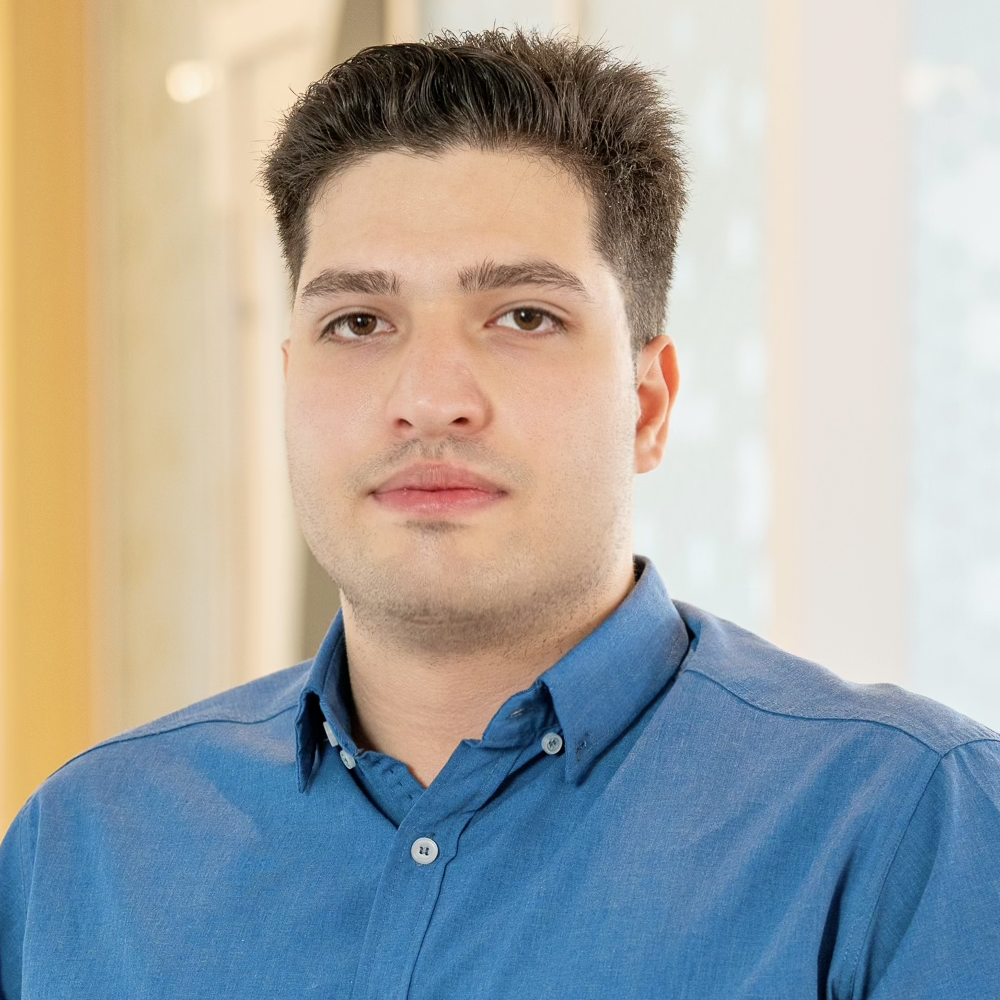
Hafez Ghaemi
Mila, UdeM
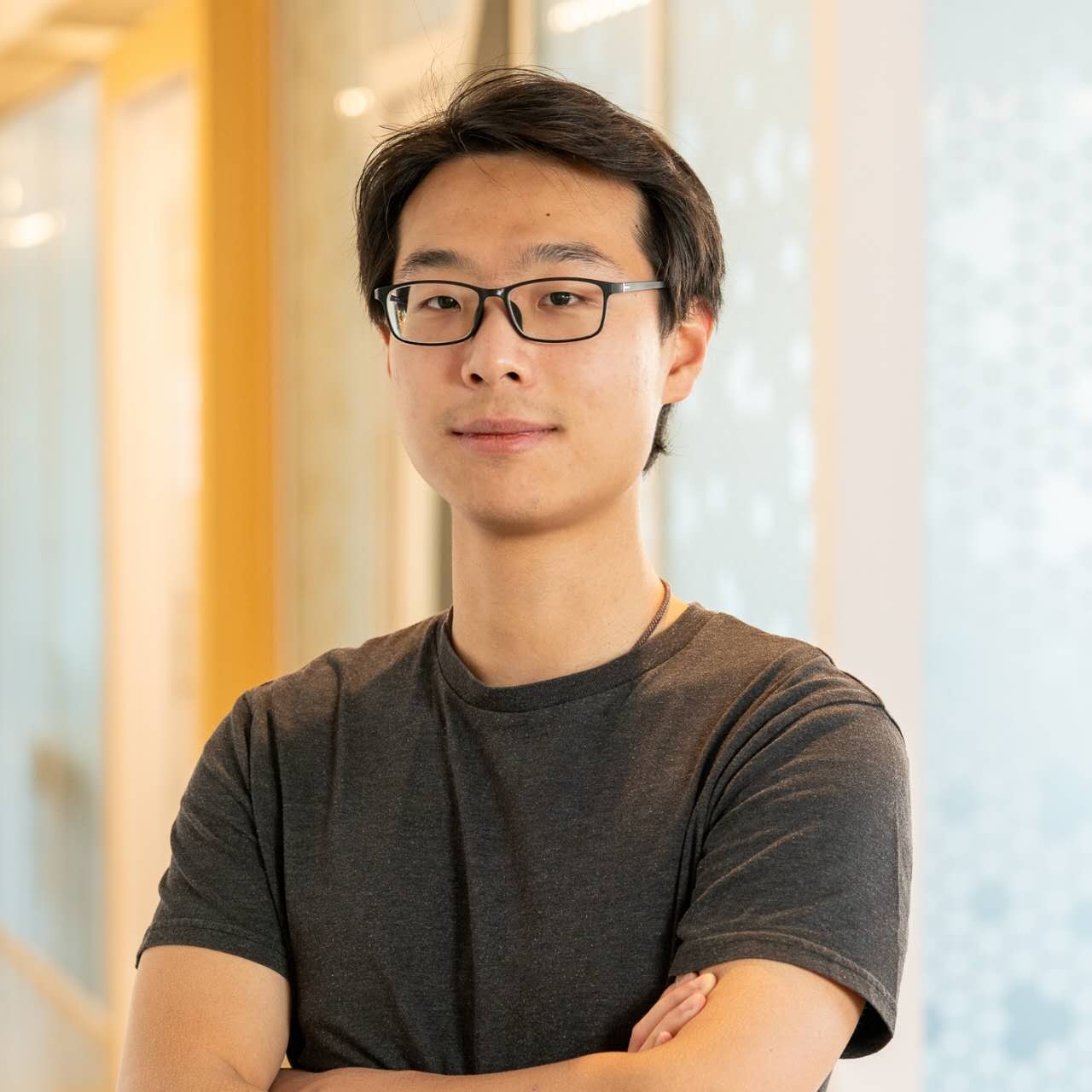
Yipeng Zhang
Mila, UdeM

Xiaofeng Zhang
Mila, UdeM, Meta
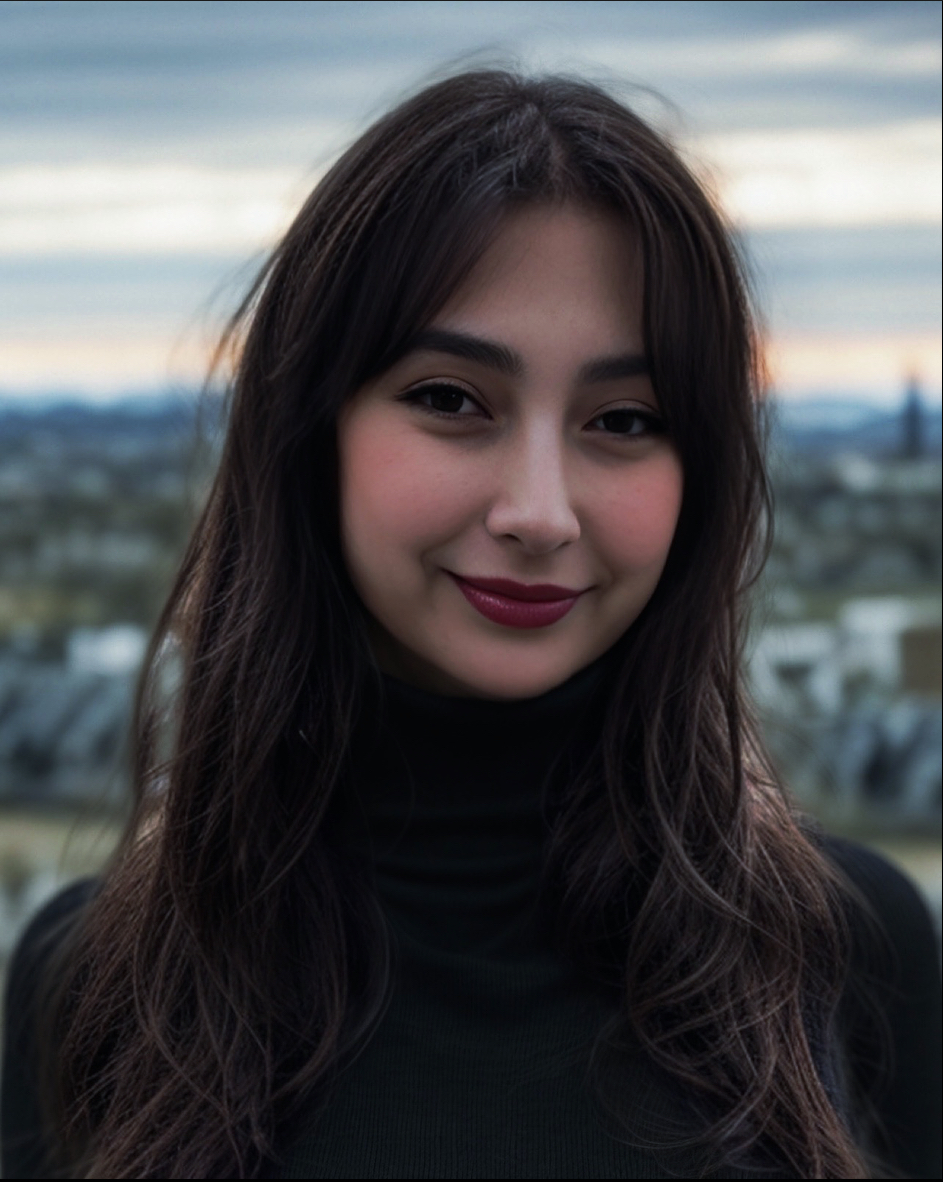
Busra Tugce Gurbuz
Mila, McGill
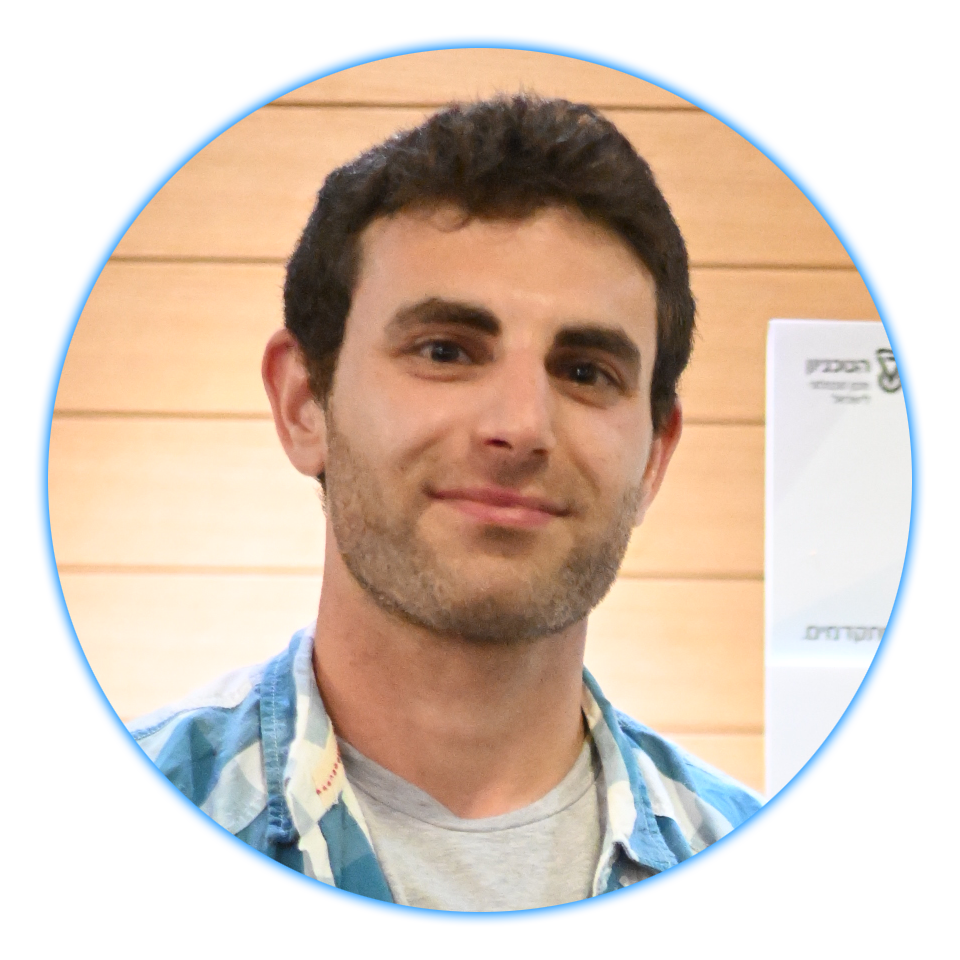
Tal Daniel
CMU, Lambda
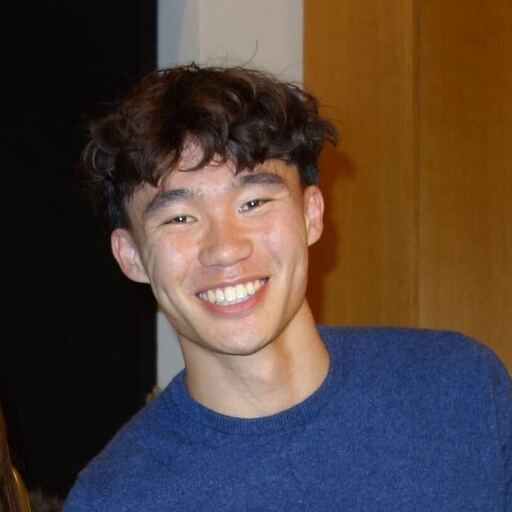
Jason Zhang
Stanford, Lambda
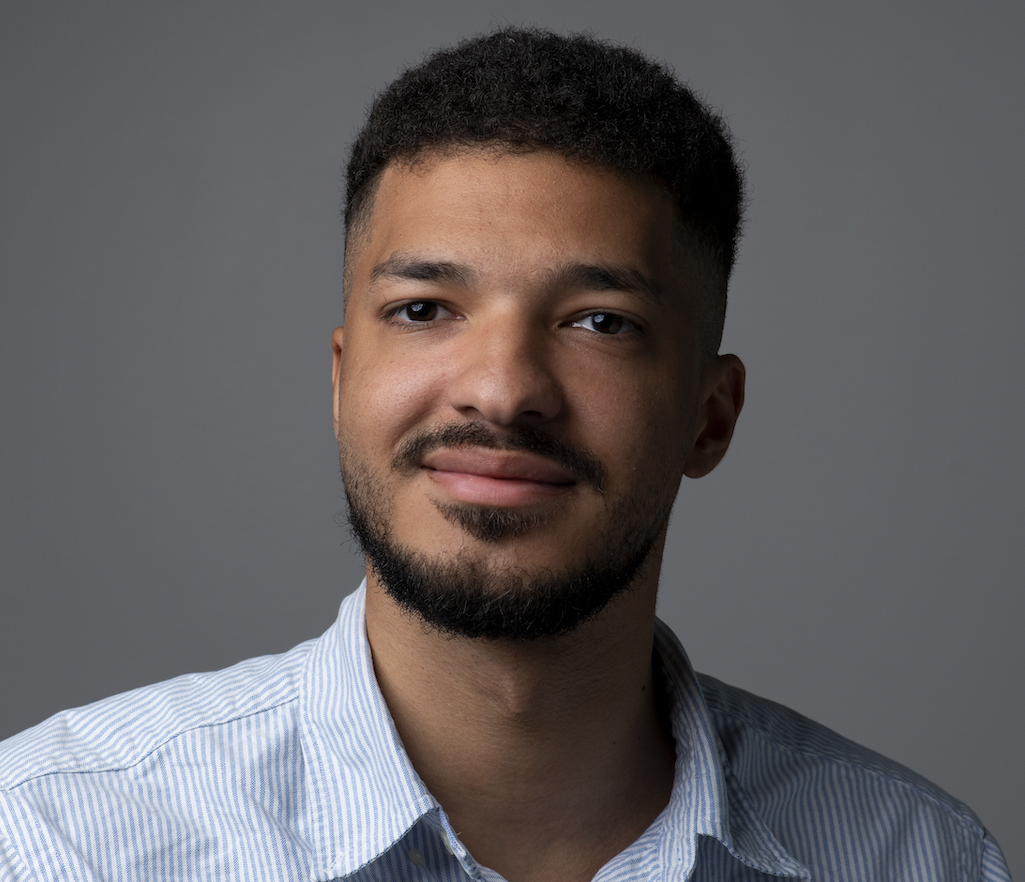
Aton Kamanda
LawZero
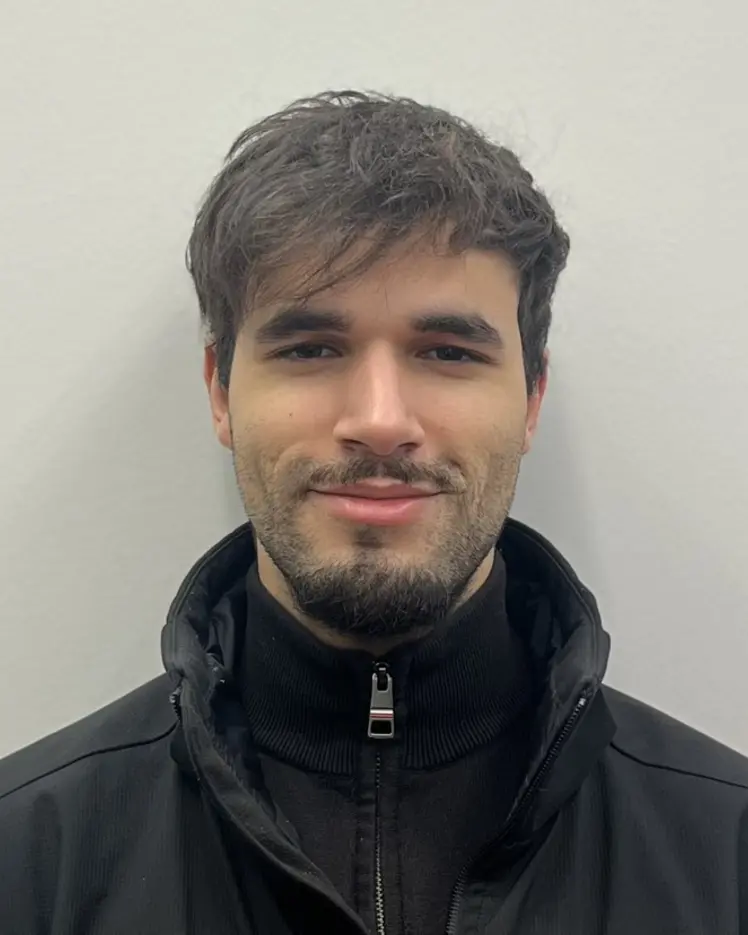
Ayoub Echchahed
Mila, UdeM
Benno Krojer
Mila, McGill
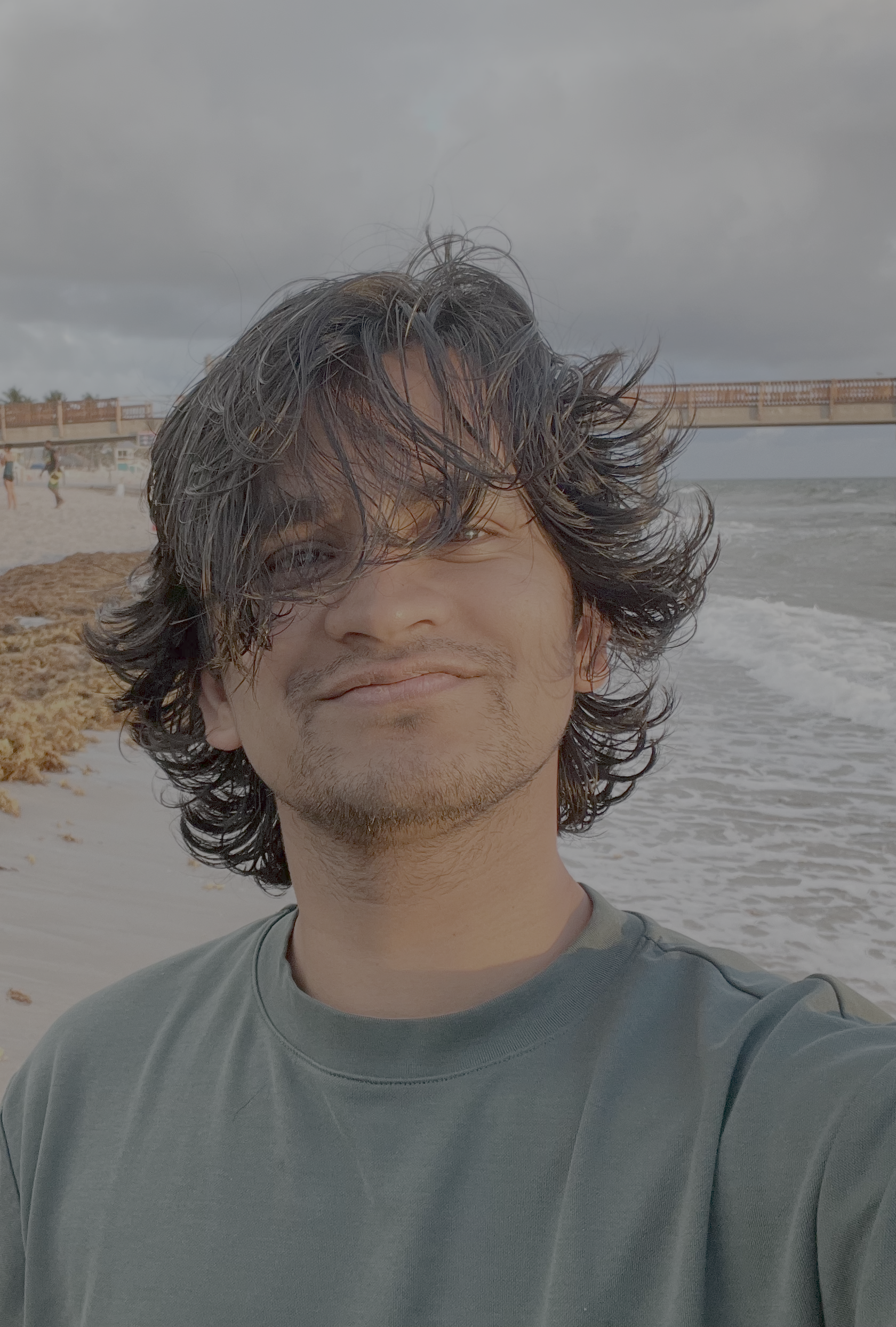
Rabiul Awal
Mila, UdeM
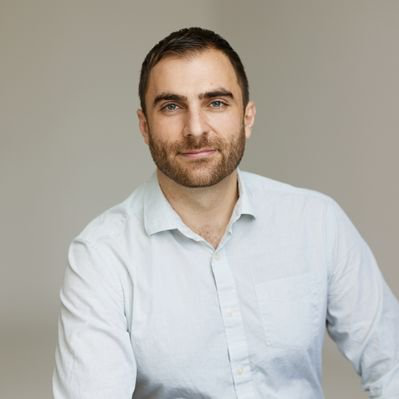
Glen Berseth
Mila, UdeM
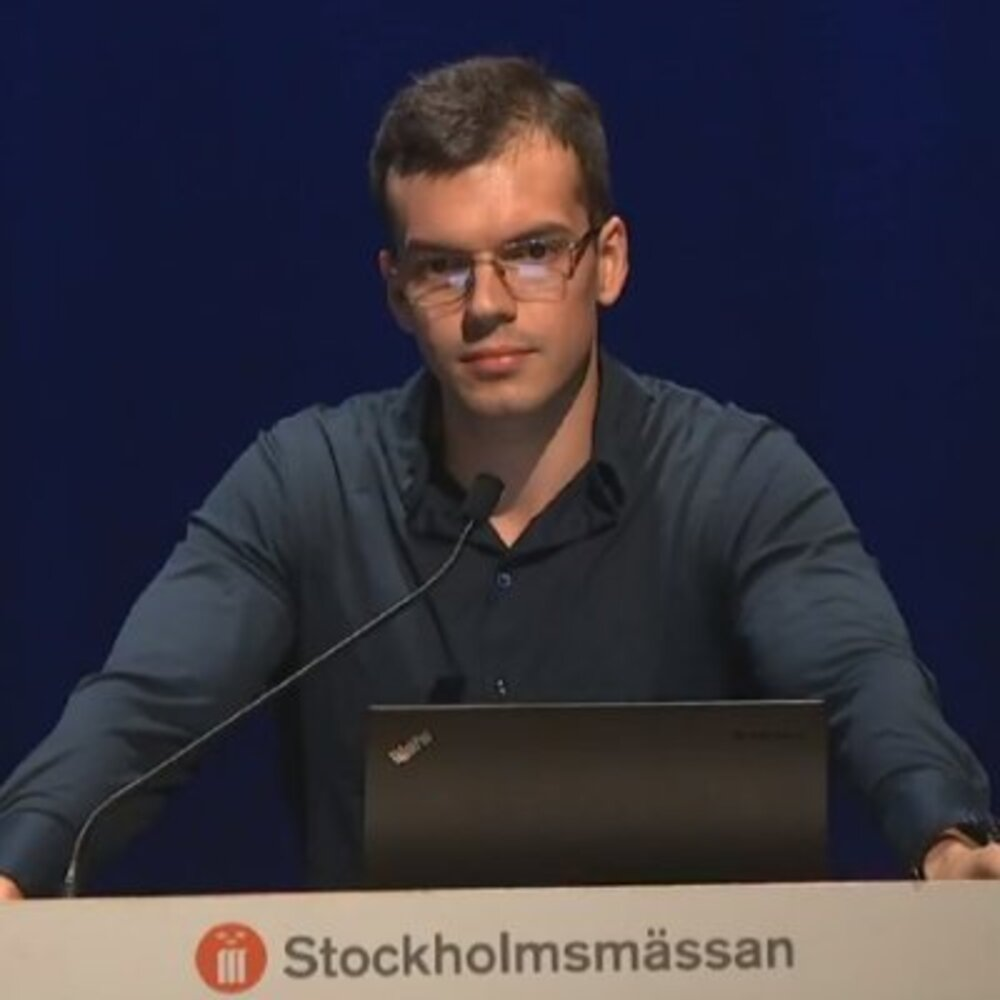
Randall Balestriero
Brown University, Meta
Sponsors
World Modeling Workshop


- Contact: worldmodel.mila@gmail.com